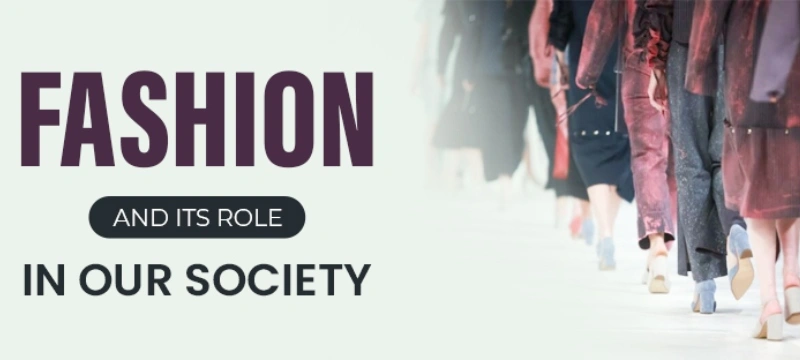
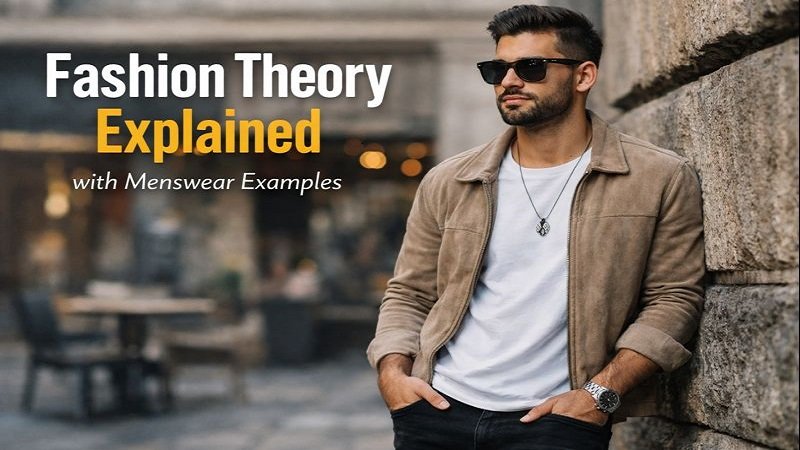
Fashion is much more than just clothes. At its core, fashion is a form of communication, a reflection of culture, personality, and even societal change. Fashion theory helps us understand why certain styles become popular, why trends evolve, and how menswear in particular reflects both individuality and societal norms. In this article, we will explore fashion theory in detail and explain it with practical menswear examples.
What Is Fashion Theory?
Fashion theory is the study of the principles, ideas, and concepts behind clothing and style. Unlike simply knowing what is “in fashion” each season, fashion theory asks why people dress the way they do. It examines clothing as a form of social expression, identity, and even power.
For example, wearing a tailored suit may communicate professionalism, authority, and attention to detail, while casual streetwear may express creativity and rebellion. Fashion theory provides a framework to understand these choices in a structured way.
Key Concepts of Fashion Theory
There are several important concepts within fashion theory that help explain trends, especially in menswear:
1. The Cycle of Fashion
Fashion often moves in cycles, repeating and reinterpreting styles from previous decades. For instance, oversized jackets inspired by the 1980s or slim-fit trousers echoing 1960s silhouettes are classic examples of fashion cycles in menswear. Fashion theory explains why past trends often reappear, highlighting society’s nostalgia and reinterpretation of style.
2. Social Identity and Fashion
Menswear often reflects a man’s social identity. Uniforms, suits, and dress codes all convey authority or professionalism. Conversely, sneakers, hoodies, and casual jackets communicate youthfulness and informality. Fashion theory examines how clothing choices send social signals to others.
3. Innovation vs. Tradition
Menswear is constantly balancing between innovation and tradition. Classic suits, crisp shirts, and leather shoes maintain a timeless appeal, while experimental materials, bold colors, and unique cuts push boundaries. Fashion theory explains how new trends emerge without completely abandoning the past.
Menswear Examples Illustrating Fashion Theory
Tailored Suits and Power Dressing
The tailored suit is a perfect example of fashion as social signaling. Fashion theorists note that sharp cuts, structured shoulders, and clean lines communicate professionalism and status. Designers often reinterpret the classic suit with modern textures, colors, or patterns, showing the influence of fashion theory on evolving trends.
Streetwear and Cultural Identity
Streetwear has become a major force in modern menswear, blending casual comfort with urban culture. Hoodies, sneakers, and graphic tees reflect youth culture and individuality. Fashion theory helps explain how these garments move from subcultures to mainstream fashion, highlighting the interaction between societal norms and self-expression.
Seasonal Trends and Cycles
Each season, menswear brands introduce new color palettes, fabrics, and silhouettes. For example, spring collections may feature lightweight fabrics and pastel tones, while winter emphasizes layering and heavier textures. Fashion theory analyzes how seasons, cultural events, and societal changes influence these trends.
Why Understanding Fashion Theory Matters
By understanding fashion theory, men can make better wardrobe choices that suit their personality, lifestyle, and the message they want to convey. It also helps fashion enthusiasts, stylists, and bloggers anticipate trends, interpret runway shows, and create content that resonates with audiences.
For example, analyzing menswear shows by designers like Dior, Prada, or Thom Browne through the lens of fashion theory allows us to understand why a sequined blazer or oversized trousers make sense in a modern context, rather than seeing them as random experimentation.
How to Apply Fashion Theory in Everyday Menswear
-
Identify Your Personal Style: Use fashion theory to figure out what your wardrobe says about you.
-
Mix Classic with Modern: Combine traditional menswear staples with experimental pieces.
-
Observe Trends Critically: Don’t follow trends blindly—understand the theory behind them.
-
Experiment Within Your Comfort Zone: Fashion theory encourages creativity, but personal confidence matters most.
Final Thoughts
Fashion theory is not just academic—it’s a practical tool that helps us understand, interpret, and apply style in our everyday lives. By analyzing menswear through the principles of fashion theory, we gain insight into why trends appear, evolve, and fade, and how clothing communicates identity, culture, and creativity.
Understanding fashion theory allows you to dress intentionally, follow trends thoughtfully, and express your personality confidently, making your style both fashionable and meaningful.